
Welcome To My WebAbility.io Review:
You are here because you need site help. Like me, you want an easy way to meet the rules. You do not want a huge budget. US law (ADA) and WCAG can feel hard. Lawsuits are too common here. I will review WebAbility.io now. It is an AI widget. It promises fast fixes. It offers lifetime access. Let’s see if it truly works. It should protect your site and welcome all people.
👉 Appsumo Lifetime Deals For – $59 👈
What is WebAbility.io?
WebAbility.io is a tool. It uses AI. It is cloud-based. It helps sites meet global rules like WCAG. It also meets US laws like ADA. It covers Canada’s AODA. You add a small widget to your site. It scans your site fast. It finds problems. It tries to fix issues live. This system is quick. It is a “set and forget” fix. It helps small firms. It lowers legal risk. It makes the site better for all users. WebAbility.io adds a layer of rule-checking to your site.
Key Features of WebAbility.io
The widget has many tools. They help people with different needs:
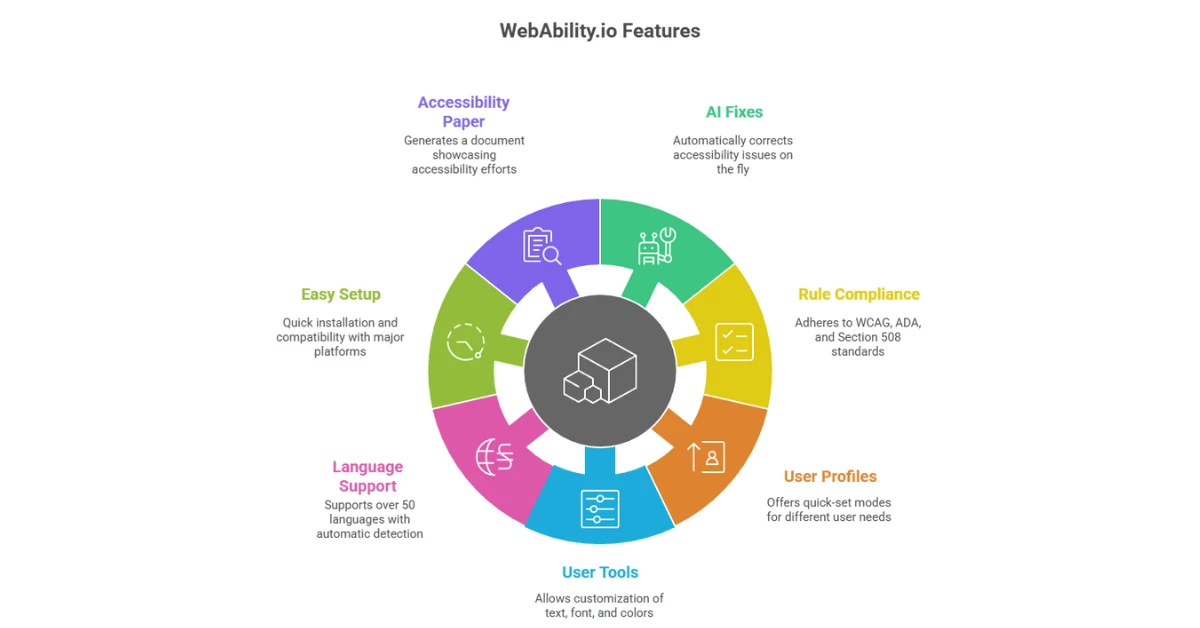
✍ AI Fixes Stuff Live: It adjusts things by itself. It fixes missing image text (alt text). It fixes how you use a keyboard to move. It uses ARIA tags for screen readers.
✍ Covers Many Rules: It meets WCAG 2.1 and 2.2. It follows US laws like ADA. It also covers Section 508.
✍ User Profiles: Visitors can choose quick-set modes. Examples are ‘Seizure Safe Mode.’ Others are ‘Vision Impaired Profile.’ This changes the site fast.
✍ User Tools: Users can change many things. They can set the text size. They can change the font. It has dyslexic fonts. They can adjust color and cursor size.
✍ Many Languages: It works in over 50 languages. It finds the user’s language alone.
✍ Easy Setup: Install takes just one minute. It works with Shopify and WordPress. It works with Wix and Webflow.
✍ Accessibility Paper: It makes a paper for your site. This shows you care about the rules.
How Does WebAbility.io Work?
I learned how the widget works. This made me feel sure about it. It uses AI and user tools.
Step #1: Install: You copy a small code piece. You paste it on your site. You can use a plugin too.
Step #2: Scan and Fix: The AI scans your whole site. It runs fast. It finds rule problems.
Step #3: Auto-Fixes: It adds a code layer. It uses ARIA and alt text. It fixes most common issues. It does not change your main site code.
Step #4: User Panel: A small icon shows up. The visitor clicks it. They can pick profiles. They can change colors and fonts.
Step #5: Always Checking: The system checks your site often. It looks for new content. It keeps fixing things. This helps keep the site good.
What I Like
I started using WebAbility.io. I quickly saw good things. This was better than manual fixes.
✅ Fast, Easy Compliance: The install was so fast. I saw good results right away. It fixed old issues. It fixed alt text errors. It fixed poor contrast. It did this on many pages. I wrote zero code. This quick fix gave me peace of mind. It was a good first step.
✅ Lifetime Access is Key: I own a small business. Paying monthly fees felt too much. This lifetime deal is better. It is one fixed payment. This stops the high monthly cost. This low price is great for US firms. It helps stop fear of costly ADA lawsuits.
✅ Users Get Control: The widget looks good. Users can change it a lot. They get full control of their view. I like that a visitor can use the “Seizure Safe Mode.” They can lower the “Cognitive Load.” This makes the site fit their needs fast.
What Could Be Better
The widget is a great start. But it has limits. It is only an auto-tool.
- It’s Not 100%: The tool cannot fix complex things. It cannot tag a PDF right. It cannot know if legal text is “Understandable.” The AI does not know the full context. A full human check is always the best way to be fully compliant.
- Site Speed: It is said to be light. But extra code can slow your site a bit. I saw a small speed drop. If speed is your top goal, watch this.
- Reports Are Basic: I wish the reports were better. They should tell me exactly what the AI did not fix. This would help my coders know what to do next. The compliance paper is fine. Better data is needed.
Who should use WebAbility.io?
In my view, WebAbility.io is a great fit. It is low-cost. It is a fast fix.
- Small Businesses (SMBs): Are you a US SMB owner? Do you fear high ADA lawsuit costs? This offers strong, cheap protection.
- E-commerce Sites (Shopify/Wix): These sites change a lot. They get sued often. The quick install is best for non-coders.
- Web Design Agencies: This tool is good for agencies. It lets them give basic fixes to all clients. It saves time and money.
- Content Sites: Does your site post new things often? The auto-scan keeps new pages compliant. No need for constant checks.
My Personal Experience with WebAbility.io
I put the widget on my site. My goal was simple: lower my risk. I heard about lawsuit letters. I wanted an easy way out. The install was truly fast. I put the code in my WordPress site. I saw the icon right away.
I was sure it worked. I ran a third-party test. I checked the site before and after. Before, I had many errors. After that, most auto-fix errors were gone.
Here is what I saw:
- Score Went Up: My site’s score went from 68/100 to 92/100 fast.
- Focus Ring Fixed: The keyboard outline became clear. This helps users who use a keyboard only. This was a big win.
- Alt Text Added: The AI added basic image text to old images. I forgot about those images. This saved me much time.
- Seizure Mode Worked: I tested the Seizure-Safe profile. It stopped the background video at once. This is a key rule I might have missed.
The WebAbility.io tool gave me fast, strong safety. It saved me weeks of manual coding work.
Comparing With Other Brands
I used AccessiBe before. It is also a popular AI widget. But the monthly price was too high for my budget. Also, many experts argue about these widgets. I wanted a cheaper choice.
| Feature | WebAbility.io | AccessiBe |
| Price | Mostly Lifetime Access (One-time fee) | Monthly/Yearly Cost |
| Setup Speed | Very Fast (1-minute paste) | Very Fast (1-minute paste) |
| Rules Met | WCAG 2.1 & 2.2 AA (Auto) | WCAG 2.1 AA (Auto + Human Help) |
| Legal Focus | US ADA & Global Rules | US ADA & Global Rules |
| Best User | Small Firms, Low Budget Owners | Larger Firms, Big Companies |
Pros and Cons of WebAbility.io
This list shows the good and bad parts of WebAbility.io.
👍Good Things (Pros)
- Low Cost fixed price with Lifetime Access.
- Quick Safety layer cuts legal risk fast.
- Users can change tools for their Cognitive, Motor, and Visual needs.
- Fast and simple 1-minute install on all major sites.
👎Bad Things (Cons)
- Not 100% Fix; hard issues need a developer.
- Experts argue against using all overlay widgets.
- Small Speed Drop; it might slow the site a bit.
- Reports need to be more detailed for coders.
Recommendation
I highly suggest you try WebAbility.io. This is true if you run a small firm in the US.
- Buy It If: Your top goal is to cut legal risk from ADA lawsuits. You need a fast, cheap way to meet basic WCAG rules. The lifetime price is the best deal for simple safety.
- Research More If: You are a large company. Or your site handles sensitive government work. Use this tool as extra help only. No auto-tool can promise a perfect audit pass.
My site got much better with little work. WebAbility.io is a smart buy for small US online businesses today.
Frequently Asked Questions About WebAbility.io
Q: How much of my website’s accessibility does WebAbility.io fix?
A: The AI widget can fix about 70-80% of common errors. These are things like missing alt text. It also fixes keyboard problems. Harder issues like forms or PDFs still need human help.
Q: Is WebAbility.io considered ADA compliant by US courts?
A: US law (ADA) does not give “compliant” labels to products. But this tool meets WCAG 2.1/2.2 AA. This is the rule US courts use in ADA lawsuits.
Q: Does the WebAbility.io widget slow down my website?
A: Adding any code can cause a tiny speed drop. It is often too small to see. The widget is made to be light. It runs in the back. This helps keep speed issues low.
Q: What is the difference between a widget and a manual audit?
A: A widget adds code to fix issues fast. This is done in real-time. A manual audit is a human check. An expert tests your code. This gives a full fix for hard barriers.
Q: Can WebAbility.io prevent me from getting an ADA lawsuit?
A: No tool can promise zero lawsuits in the US. But using this tool shows you care about the rules. This is key for cutting risk. It also helps defend your business in court.